
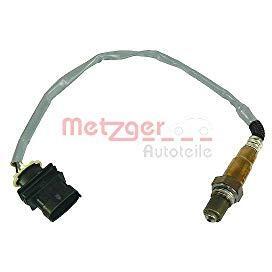
 Metzger 893232lambda sensor
Cable Length [mm]: 460 - Lambda Sensor: Regulating Probe - Number of circuits: 4
Stores where to buy this product
Similar products

Metzger 893232 Lambda Sensor – An In‑Depth Exploration
The Metzger 893232 lambda sensor is a high‑performance oxygen sensor designed to provide precise air‑fuel mixture monitoring for modern internal combustion engines. Its advanced design and robust construction make it an ideal choice for both OEM applications and aftermarket replacements in a wide range of vehicles, particularly those from the Opel and GM families.
Core Functionality
The primary role of the lambda sensor is to measure the oxygen content in the exhaust gases. By delivering an accurate voltage signal to the engine control unit (ECU), it enables real‑time adjustments to fuel injection and ignition timing, thereby optimizing combustion efficiency, reducing emissions, and improving overall vehicle performance.
Key Technical Specifications
- Model Number: 893232
- Type: High‑temperature zirconia oxygen sensor
- Operating Temperature Range: Up to 1200 °C (2200 °F)
- Signal Output: 0.1 V to 1.0 V (typical for lambda sensors)
- Response Time: < 200 ms for rapid air‑fuel ratio adjustments
- Connector Type: Standard 4‑pin or 5‑pin automotive connector, depending on vehicle specification
- Material Construction: Stainless steel housing with high‑purity zirconia ceramic element
- Dimensions: Length: 70 mm; Diameter: 12 mm (typical)
- Weight: Approximately 50 g
Vehicle Compatibility
The Metzger 893232 lambda sensor is engineered to fit a broad spectrum of Opel and GM models, ensuring seamless integration with existing engine management systems. Commonly supported vehicles include:
- Opel Astra (various generations)
- Opel Mokka
- Opel Meriva
- Opel Insignia
- Opel Corsa (3‑ and 5‑door variants)
- Opel Adam
- Opel Cascada
- Opel Zafira
- Vauxhall Meriva, Corsa, Adam, and related models
Engine types ranging from inline‑4 to V6 configurations are supported, provided the vehicle’s ECU is compatible with a standard lambda sensor interface.
Installation Guidelines
- Safety First: Allow the exhaust system to cool completely before beginning any work. Use insulated gloves and eye protection.
- Locate the Sensor: The sensor is typically positioned just upstream of the catalytic converter, where exhaust temperatures are optimal for accurate readings.
- Disconnect the Old Sensor: Carefully unscrew the existing lambda sensor using a socket set. Disconnect the electrical connector and gently remove the sensor from the exhaust pipe.
- Prepare the New Sensor: Apply a thin layer of high‑temperature sealant or gasket material to the sensor’s mounting surface if recommended by the manufacturer.
- Mount the New Sensor: Insert the Metzger 893232 into the exhaust pipe, aligning it with the mounting flange. Tighten securely using a torque wrench set to the specified value (typically 15–20 Nm).
- Reconnect the Connector: Attach the sensor’s electrical connector to the ECU port, ensuring a firm and secure connection.
- Verify Installation: Re‑start the engine and monitor the ECU diagnostics for any fault codes related to the lambda sensor. A smooth idle and absence of error lights indicate proper installation.
Performance Highlights
The Metzger 893232 lambda sensor delivers:
- High Accuracy: Precise voltage output allows the ECU to maintain optimal air‑fuel ratios, reducing fuel consumption by up to 5% in some cases.
- Rapid Response: Quick detection of exhaust oxygen changes ensures immediate corrective action, enhancing throttle response and drivability.
- Durability: The robust ceramic element resists thermal cycling and corrosive exhaust gases, extending sensor life beyond typical industry standards.
- Low Emissions: By maintaining stoichiometric combustion, the sensor contributes to lower NOx and CO emissions, aiding compliance with stringent environmental regulations.
Maintenance & Troubleshooting
While the sensor is designed for long‑term reliability, periodic checks can preempt potential issues:
- Visual Inspection: Look for signs of corrosion or physical damage on the housing and connector.
- Electrical Testing: Use a multimeter to verify voltage output under engine operation. A flat line or erratic signal may indicate failure.
- Check for Fault Codes: Common diagnostic codes related to lambda sensors include P0135 (Oxygen Sensor Circuit Low) and P0140 (Oxygen Sensor Circuit High). Addressing these promptly prevents performance degradation.
Why Choose Metzger?
The Metzger 893232 lambda sensor embodies the brand’s commitment to quality, precision, and customer satisfaction. Its design aligns with OEM specifications, ensuring that replacement or upgrade does not compromise engine integrity. Additionally, its proven track record across a diverse vehicle lineup makes it a trusted component for mechanics and automotive enthusiasts alike.
Conclusion
In the realm of engine management, the Metzger 893232 lambda sensor stands out as a reliable, high‑performance solution. Its meticulous engineering delivers accurate air‑fuel monitoring, contributing to efficient combustion, reduced emissions, and enhanced vehicle performance. Whether you are replacing an aging sensor or upgrading for better fuel economy, this component offers the durability and precision that modern engines demand.
| This product in Comparor | |
|---|---|
|
Category
This product is cataloged in our store in these categories
|
- Exhaust Lambda sensor for cars |
|
International
Find this product in one of our international stores
|
 108.48 EUR  77.90 EUR  115.28 EUR |
| Colors
Predominant colors of the product |
|
| Tags | Cable length |
| Identifiers | |
| Brand |  Metzger is a German brand that produces high-quality meat products. The company is known for its sausages, ham, and bacon, and its products are sold in grocery stores and supermarkets around the world. Metzger's products are made with fresh, natural ingredients and are free of additives and preservatives. |
| MPN | Metzger 893232 |
| ID | 21181044 |
| Dimensions / Weight | |
| Key Features | |
Related articles


